Sofia Jenkins · 11 October 2026
Italy's Provincial Festivals Thrive with New Momentum from National Arts Budget Changes
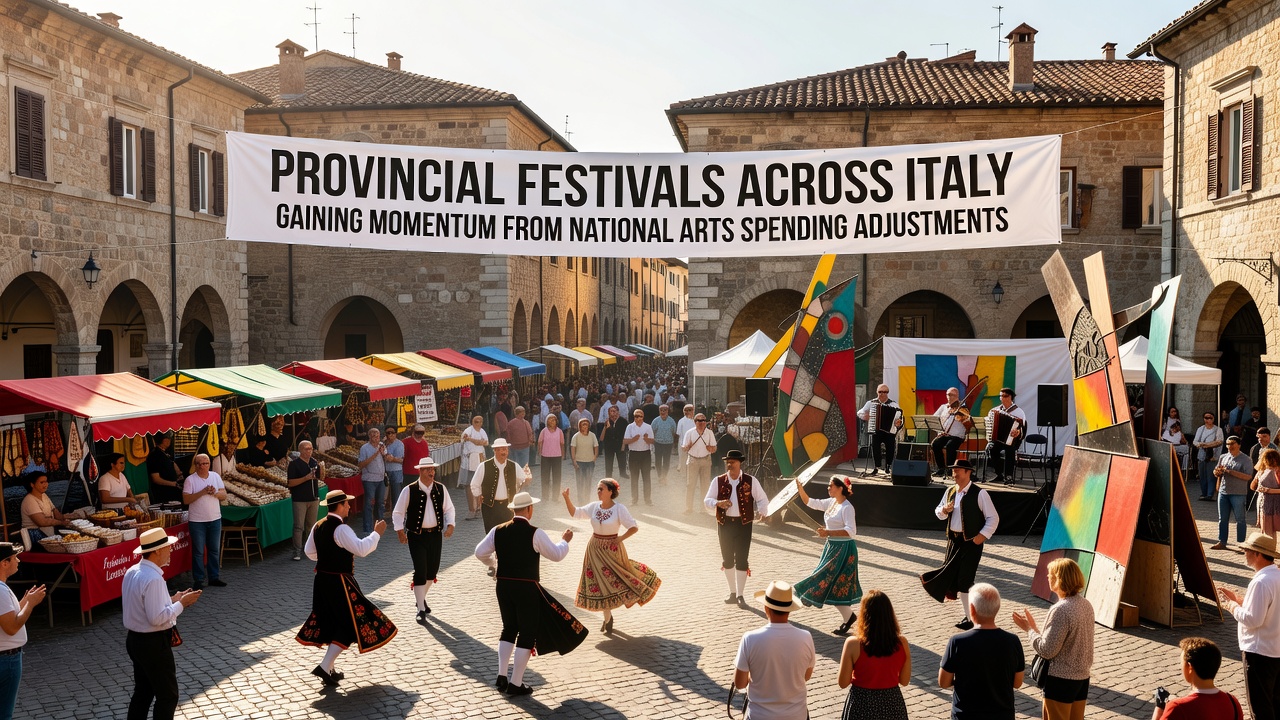
Adjustments to Italy's national arts spending have directed additional resources toward smaller regional events, and provincial festivals now receive targeted allocations that support programming, infrastructure, and artist participation. These shifts, enacted through recent budget revisions, allocate portions of the Fondo Unico per lo Spettacolo to events outside major urban centers, which expands opportunities for local organizers who previously operated with limited central support.
Funding Mechanisms and Distribution Patterns
Data from the Ministry of Culture shows that the 2025 budget revisions increased regional grants by 12 percent compared with the prior cycle, with explicit provisions for festivals in provinces such as Umbria, Marche, and Basilicata. Officials route these funds through regional cultural agencies, which then disburse amounts based on attendance projections, heritage alignment, and economic impact assessments submitted by each event. Researchers at the University of Bologna documented that provinces receiving the largest proportional increases hosted between four and seven additional performances during the 2025 season, and they noted measurable growth in overnight stays reported by local tourism boards.
Allocation formulas prioritize events that incorporate traditional music, artisanal demonstrations, and contemporary interpretations of regional history, and this emphasis has encouraged organizers to collaborate with schools and artisan guilds. Figures released by the Italian National Institute of Statistics indicate that festivals in these categories recorded a 9 percent rise in ticketed attendance during the first half of 2025, while parallel increases appeared in vendor participation at associated markets.
Examples from Across the Regions
In the province of Viterbo, the annual hazelnut harvest celebration expanded its program to include three new evening concerts funded by the adjusted national envelope, and attendance records from the local chamber of commerce show a 15 percent increase over the previous year. Organizers there partnered with a nearby agricultural cooperative to stage demonstrations of sustainable cultivation techniques, which drew additional visitors from neighboring Lazio towns.
Further south, the olive oil festival in the province of Cosenza incorporated a series of workshops on heritage milling practices, and funding from the revised arts budget covered equipment rentals and guest experts. Local reports compiled by the Calabria regional tourism authority recorded that participating farms sold 22 percent more product during the event weekend than in the same period of 2024. Similar patterns emerged in the Marche town of Ascoli Piceno, where a truffle-themed gathering added a youth theater component that attracted families from surrounding hill communities.
October 2026 Preparations Underway
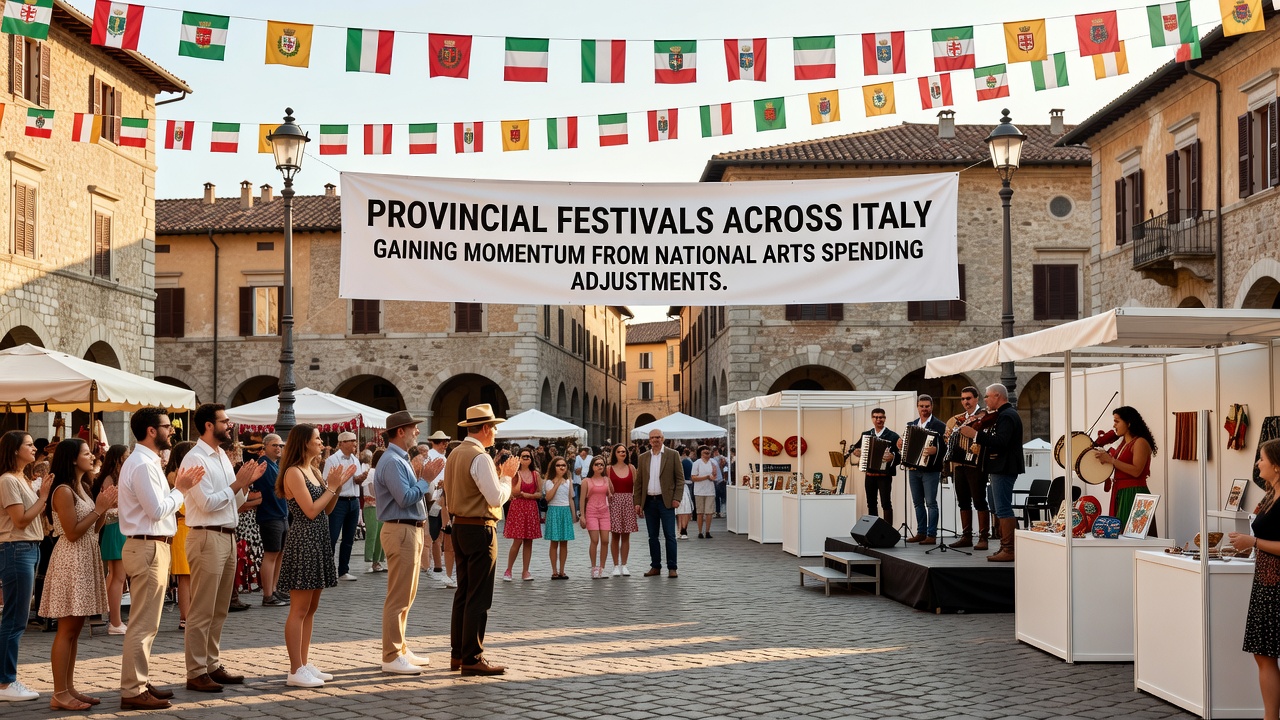
Planning documents released by several provincial administrations indicate that October 2026 events will feature extended schedules and new cross-regional artist exchanges made possible by the sustained funding stream. In the province of Perugia, organizers have already confirmed three additional stages for the traditional All Saints music program, while counterparts in the province of Potenza have secured commitments from Sicilian and Sardinian ensembles for joint performances. These arrangements rely on the multi-year spending framework that remains in effect through the 2027 fiscal year, and they allow advance booking of venues and transportation.
Transport authorities in several regions have begun coordinating shuttle services between rail stations and festival sites, and preliminary agreements with regional bus operators cover the expected October peak. Data modeling conducted by the National Research Council projects that coordinated transport could reduce private vehicle traffic by up to 18 percent at the busiest locations, which would ease pressure on narrow provincial roads.
Economic Ripple Effects
Studies conducted by the Bank of Italy's regional offices track how increased festival activity circulates revenue through lodging, food service, and craft retail sectors. In provinces that received above-average arts allocations, the average revenue increase for hospitality businesses reached 7 percent during festival months, according to quarterly economic bulletins. Municipal budgets also reflect higher local tax collections tied to temporary vendor licenses and parking permits issued for these events.
Supply chains for festival logistics have lengthened as well, with printers, stage builders, and sound technicians reporting steady contracts across multiple provinces. Employment agencies in Abruzzo and Molise note a corresponding uptick in seasonal contracts for event staff, many of whom transition between festivals on a circuit that now spans six or seven weeks each autumn.
Conclusion
National arts spending adjustments have produced measurable expansion in Italy's provincial festival calendar, with documented rises in attendance, vendor activity, and cross-regional collaboration. Continued distribution through regional agencies supports programming through October 2026 and beyond, while economic indicators show steady circulation of revenue in host communities. Observers continue to monitor participation trends and infrastructure demands as the adjusted funding model matures.